What is ABA?
Applied Behavior Analysis (ABA) is an evidence-based approach that helps children develop important skills such as communication, social interaction, and independence.
By using positive reinforcement and individualized strategies, ABA supports children in learning and applying skills in their everyday environments.
Who is eligible for ABA?
ABA therapy is commonly recommended for children with an autism diagnosis, but it can also support children who may be experiencing challenges with communication, behavior, or daily routines.
Every child is different. Some children may benefit from support with language and social interaction, while others may need help with transitions, emotional regulation, or building independence.
At Little Hands, we take an individualized approach - focusing on each child’s unique strengths, needs, and goals to determine the best path forward.
Not sure if ABA is the right fit for your child? We’re happy to talk through your concerns and help guide you!
What does ABA look like?
At Little Hands, ABA is play-based, natural, and centered around connection.
It doesn’t look like rigid drills or constant table work. Instead, it looks like children learning through everyday moments.
We follow the child’s lead while creating natural learning opportunities, helping skills develop in a way that feels meaningful and enjoyable.
Our goal is to create an environment where children feel safe, engaged, and confident - because that’s where real progress happens!
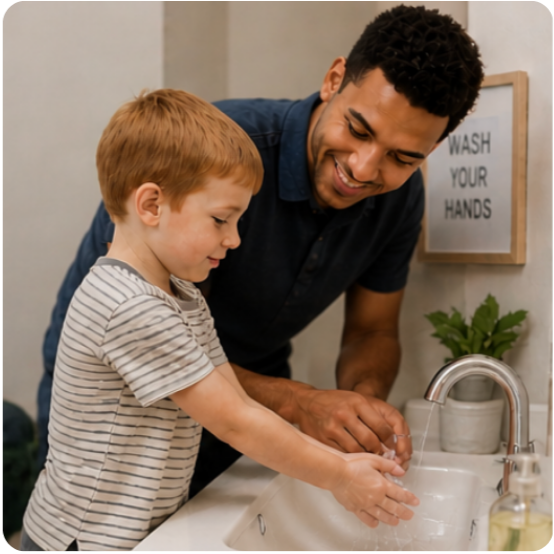
Building independence and learning daily routines


Increasing communication through everyday tasks

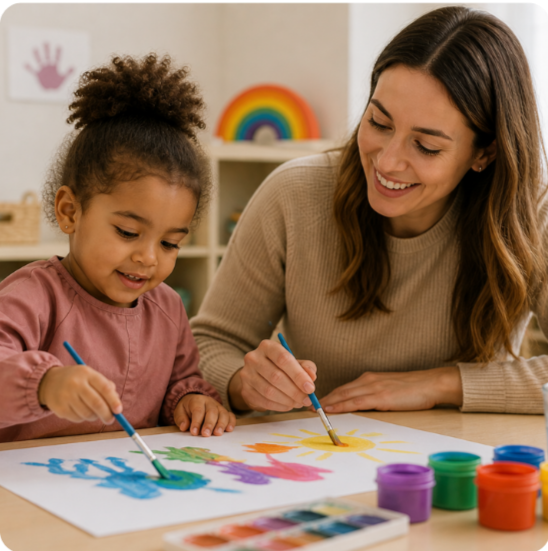
Using fun activities to build important social skills

Why Choose Little Hands?
At Little Hands Autism Therapy Services, we believe therapy should feel natural, supportive, and centered around the child.
It should never be rigid or one-size-fits-all.
Here’s what makes our approach different:
Child-Led Therapy
We follow each child’s interests and pace, using what motivates them to create meaningful learning opportunities. This helps build trust, engagement, and lasting progress.

Play-Based Approach
Learning happens through play, daily routines, and real-life experiences - not just at a table. This allows children to build skills in the moments that matter most. We believe that children learn best doing activities they enjoy!

Trauma-Informed Care
We prioritize emotional safety and connection. Our goal is never to change who a child is, but to support them in developing skills while feeling understood and respected.

Family-Centered Support
We work closely with caregivers to ensure strategies feel practical and sustainable at home. You’re an essential part of your child’s progress.